Coral Reef Ecosystem
By Amalie Morgan - Tomyl
Ecological Organization
Organism: Clown Triggerfish
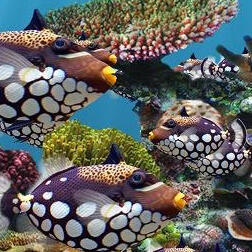
Population: Group of Clown Triggerfish
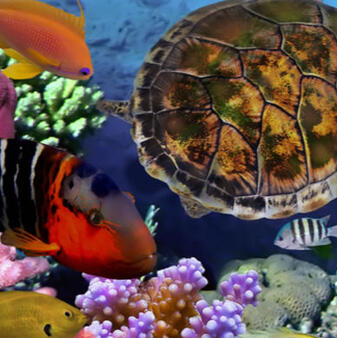
Community: Sea turtles, sponges, clams, fish, and algae.
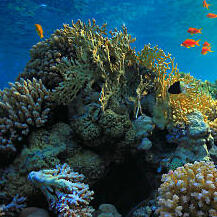
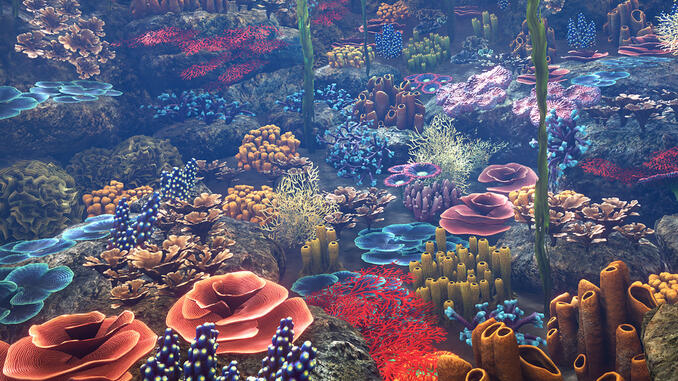
Ecosystem: Coral reef
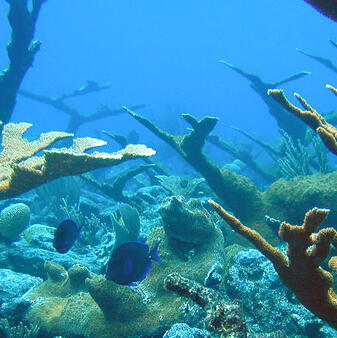
Biome: Aquatic biome (marine)
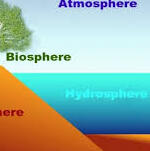
Biosphere: Hydrosphere
Abiotic & Biotic Factors
Biotic Factors
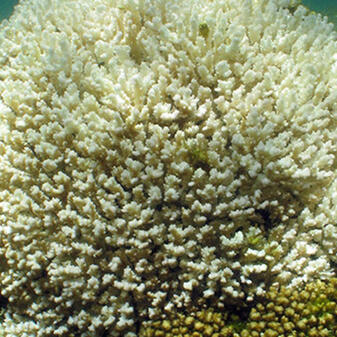
Biotic Factor #1: This type of algae known as Symbiodinium uses photosynthesis to produce nutrients which enriches the coral’s cells.
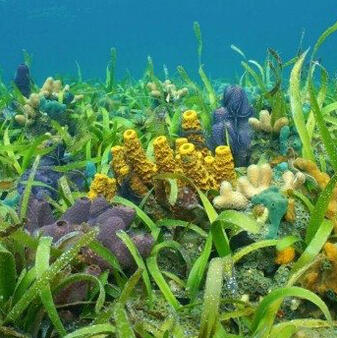
Biotic Factor #2: Seagrass functions to stabilize the ocean floor from intense wave action and currents. The sea grass expands vertically and horizontally using an extensive root system. Seagrass diminishes the force of currents and prevents erosion.
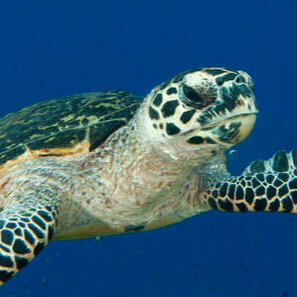
Biotic Factor #3: Hawksbill sea turtles eat a variety of sponges, typically sponges that lack spongin fibers, found in coral reefs. This allows less common types of sea sponges to grow, increasing biodiversity within the reef. Without the Hawksbill sea turtles, these overgrowing sponges would eventually suffocate and kill the reef.
Abiotic Factors
Abiotic Factor #1: Rising or falling temperatures can cause stress on reef polyps, causing them to lose algae that live within the polyp’s tissue. Rising water temperature also contributes to coral bleaching, which affects coral growth rates. Because of this, coral reef temperature must be maintained at an optimal range of 73-84 degrees Fahrenheit to achieve successful growth levels and maintain reef polyps.
Abiotic Factor #2 Salinity of seawater. Most reef-building corals need to maintain a salinity rate of 32-42 parts per thousand. Salinity refers to the amount of salt measured in the water. Reef-building corals must have a certain level of salinity because the salinity of the water affects calcification of the coral, the rate at which coral builds its calcium carbonate skeleton. This measures the coral reef’s growth and is vital to maintain coral reef health.
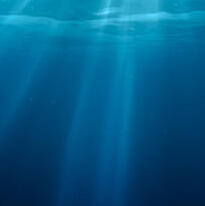
Abiotic Factor #3: Depth of the seawater. The depth of seawater in relation to coral reefs is very important. The depth of the seawater influences the structure of coral communities in relation to light attenuation. Light attenuation is the intensity of light received from the sun in proportion to the distance from the sun. The light attenuation must be maintained at a certain wavelength to ensure that the coral receives enough light to maintain activity and growth. The optimal range for seawater of a tropical coral reef is less than 150 feet (46m) from the sea’s surface where sunlight penetrates.
Food Web
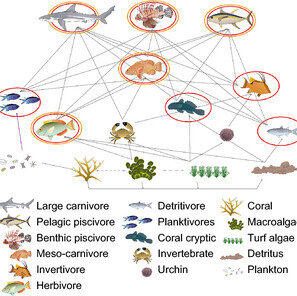
A coral reef must maintain a delicate balance between prey and predators in order to remain a functioning ecosystem. The primary producers include blue green algae, brown algae, phytoplankton, seagrass and zooxanthellae. These autotrophs produce nutrition through photosynthesis using carbon dioxide. The autotrophs produce nutrients that other reef organisms consume as food. This process is called primary productivity. Light is also another source of energy that fuels reef productivity.The major primary consumers which consume the nutrition produced by primary productivity includes corals, zooplankton, queen conch and sponges. These consumers become prey when faced with intermediate consumers such as bicolor damselfish, Caribbean lobster, sea cushion stars and southern stingrays. The final predator of this ecosystem is the Blacktip reef shark.
Plant Adaptations
Plant Adaptations